How to estimate what your home is worth
Build a defensible range from comparable sales, condition, competition, and buyer behavior.
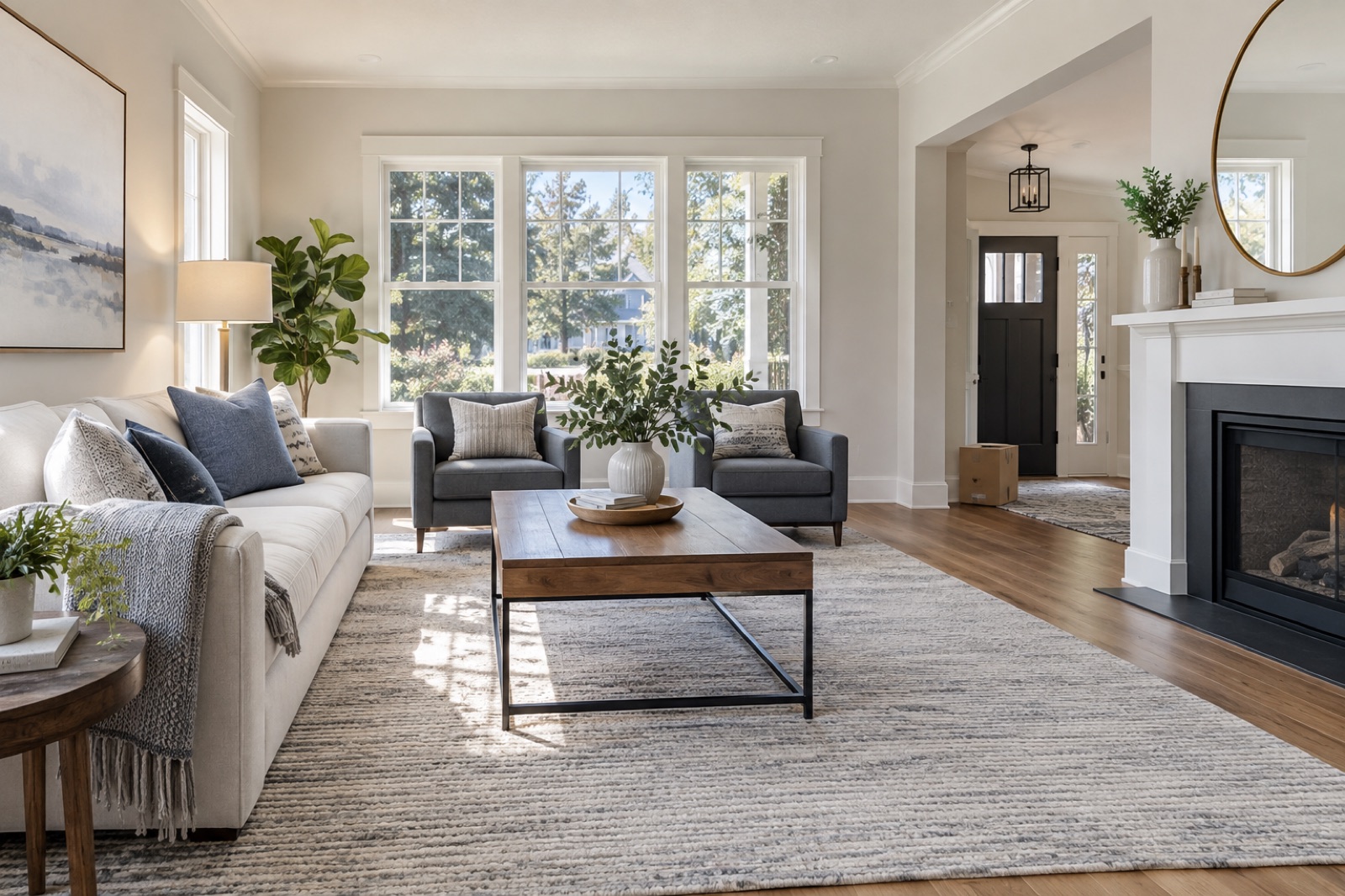
A valuation is a range supported by evidence, not a single number produced by confidence or software. The useful estimate connects recent comparable sales with your home’s actual condition, current competing inventory, financing constraints, and the price at which buyers start choosing alternatives.
Use closed sales for evidence and active listings for competition.
Adjust for major differences, not every cosmetic detail.
Treat automated valuations as a starting hypothesis.
Revisit the range immediately before launch.
A PRACTICAL PLAN
Work the decision in order
- 01
Choose three to six recent sales with similar location, size, condition, and property type.
- 02
Record meaningful differences such as lot, renovation quality, garage, view, and functional layout.
- 03
Study current listings and recent price reductions in the same buyer search band.
- 04
Set a likely range, a stretch range, and the evidence required to support each.
01 / FIELD GUIDE
Comparable sales are the backbone
The best comparable is not simply the nearest house. It should compete for the same buyer. Start with the same neighborhood or school zone, similar property type, recent sale date, and a size and condition range that does not require heroic adjustments.
Closed prices show what financed buyers and appraisers accepted. Pending sales reveal current momentum but the final price may be unknown. Active listings show what buyers can choose today, not what they have agreed to pay.
02 / FIELD GUIDE
Condition changes the buyer’s math
A renovated kitchen does not automatically return every dollar spent. Buyers compare the combined package: layout, light, deferred maintenance, systems, finish consistency, and the work required after closing. A clean, maintained home can outperform a partially remodeled home with unresolved fundamentals.
Distinguish maintenance from upgrades. A sound roof, dry basement, functioning HVAC, and safe electrical system reduce objections. Premium finishes may widen appeal, but their value depends on local expectations.
03 / FIELD GUIDE
Automated estimates have limits
Automated valuation models can process broad public and listing data quickly. They may not know about interior condition, permits, view quality, noise, unrecorded work, or a rapidly changing micro-market. Use them to spot a range, not to replace property-specific analysis.
If several models disagree, that is information. It often means the property is unusual, recent local data is thin, or inputs differ. Ask which comparable sales are driving each estimate.
04 / FIELD GUIDE
Value is tested in the market
The first one to two weeks produce the cleanest signal because the listing is new. Track qualified showing volume, repeat visits, questions, and offer terms. Low activity can indicate price, presentation, access, or positioning problems.
A price reduction works best when it moves the property into a new buyer search band and is large enough to reset attention. Small repeated cuts can make the listing look stale without changing the decision set.
DECISION NOTEBOOK
Keep the evidence, assumptions, and next action together
Create one working file for how to estimate what your home is worth. Record the date, source, property or loan assumptions, the person responsible for confirming each fact, and the deadline attached to it. A number without its assumptions is difficult to compare later, especially when rates, insurance, taxes, credits, property condition, or contract terms change.
Save the supporting document or authoritative link, not only a screenshot or verbal summary.
Run a reasonable base case and a less favorable case. Make the decision work across a range.
Write the trigger, owner, and date for the next action so the plan does not drift.
When a professional gives an answer, ask what could make it change. That question exposes missing documents, property-specific limits, jurisdiction differences, and timing assumptions. It also creates a better handoff among lender, inspector, agent, attorney, tax professional, insurer, and settlement team when several disciplines touch the same decision.
VISUAL MODEL
Put the moving parts on one page
| Evidence | What it tells you | Common mistake |
|---|---|---|
| Closed comparable sales | What buyers recently paid | Choosing by distance alone |
| Active listings | Current alternatives | Treating asking price as value |
| Property condition | Buyer cost and confidence | Counting every upgrade at full cost |
WATCH FOR
A high list price is not free. It can reduce early exposure, extend carrying costs, and make later negotiations harder.
PRIMARY SOURCES
Sources and further reading
Facts and links last checked September 19, 2026. Statistics describe the cited publication period and are not forecasts.
NEXT CHAPTER
Prepare your home for market
Create a cleaner, calmer, easier-to-understand home without over-improving.
Continue reading →